 Skip to content

The trailhead check is a non-negotiable routine that has to happen every single time you enter the backcountry.
It’s 7:00 AM at the parking lot. The air is crisp, the coffee is still steaming, and the snow in the trees looks absolutely bottomless. Everyone in your crew is buzzing, itching to pull the cord, unload the sleds, and head straight for the backcountry.
We’ve all been there. But before anyone puts a vehicle in drive or clips into their bindings, there is one non-negotiable routine. A routine that has to happen every single time: the trailhead avalanche safety check.
It takes less than two minutes, requires zero fancy equipment, and ensures that if the worst happens, every single person in your group is actually equipped to save a life.
Here is the straightforward, step-by-step routine every backcountry crew needs to run before leaving the trailhead.
Step 1: The Beacon Search & Send Test
Never assume your beacon is working just because you flipped the switch in the kitchen this morning. You need to physically verify both the send and receive functions for every member of the group.
- Check Battery Life: Turn your transceiver on and call out your battery percentage. If anyone is below 40% (or whatever threshold your manufacturer specifies), swap the batteries before moving an inch.
- Set the Leader to SEARCH: Designate one person as the checker and have them switch their beacon to Search/Receive.
- Walk the Line: The rest of the group switches their beacons to Send/Transmit, stows them in their approved chest harness or zippered pocket, and walks past the leader one at a time. The leader verifies that their beacon picks up a clear signal from each person at a distance of 1 to 2 meters.
- Flip the Leader: Once everyone passes, the leader switches their beacon back to Send/Transmit. One member of the group then switches their beacon to Search briefly to confirm the leader is transmitting a clean signal.
- Lock It Down: Ensure all beacons are safely secured under an outer layer—never in an unzippered exterior pocket or packed away in a backpack.
Step 2: The Physical Gear Drop
Having a beacon turned on is useless if your shovel or probe is sitting on the workbench back in the garage. Do a fast visual and physical check.
- Probe: Unzip your pack, pull out the probe, and confirm it’s there. Make sure the tension cord isn’t frayed.
- Shovel: Verify you have both the blade and the shaft. Give the detent pins a quick click to ensure they aren’t frozen solid.
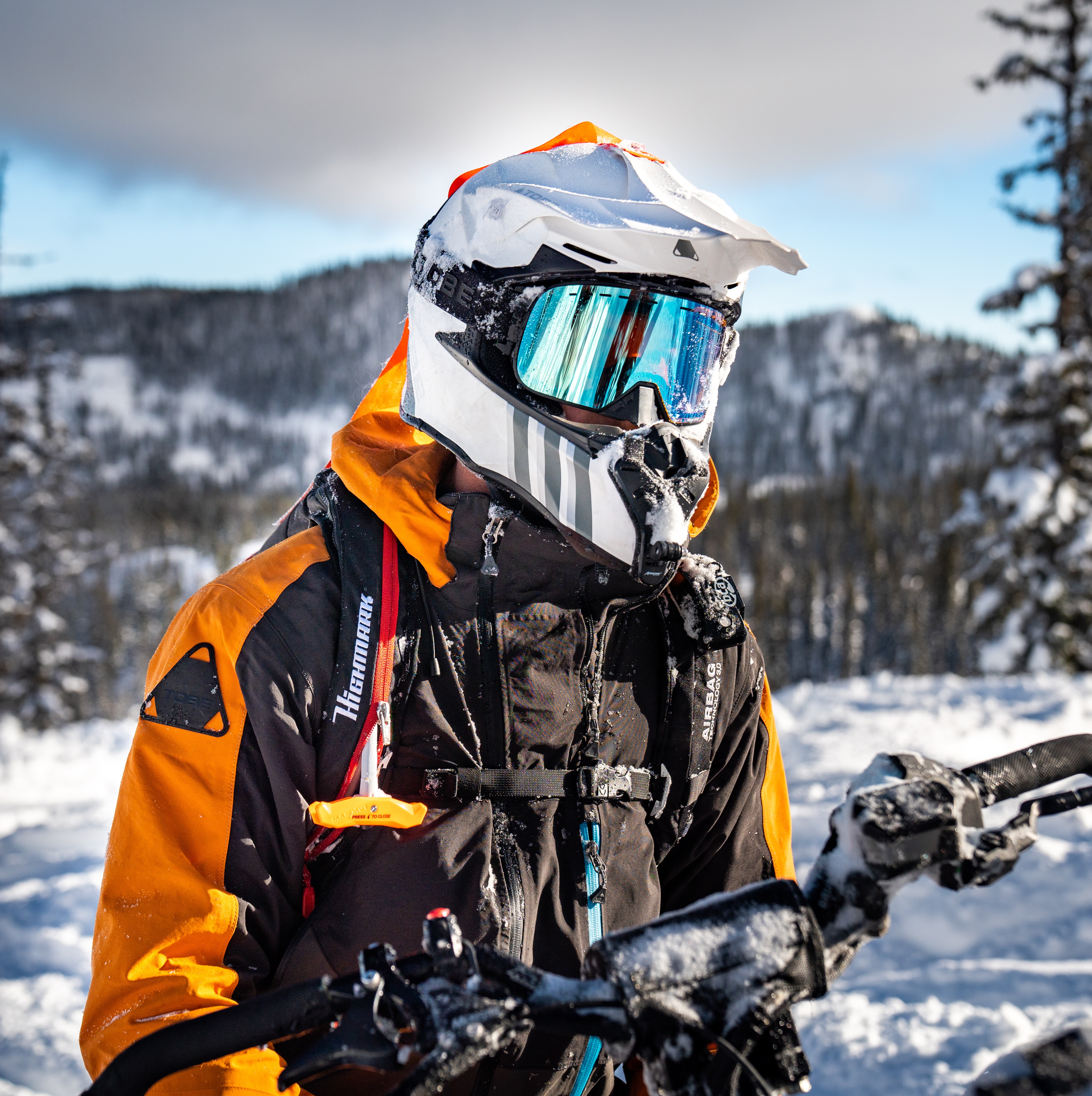
- Airbag (if applicable): If you wear an avalanche airbag pack, visually check that the trigger handle is unzipped, prepped, and armed. If it uses a compressed air cylinder, double-check that the pressure gauge is in the green zone.
Step 3: The Group Briefing & Hazard Check
Before you head up the trail, gather the group in a circle for a quick 60-second operational alignment.
- Review the Bulletin: What is the current avalanche danger rating today? What are the specific problem types (e.g., wind slabs on north-facing slopes, wet loose on sunny aspects)?
- Set the Boundaries: Agree on where you are—and aren’t—going today. If the forecast warns of high risk on high-elevation wind-loaded terrain, explicitly agree as a group to avoid those features.
- Establish Communication Plan: Confirm hand signals, radio channels, or emergency contact procedures if someone gets separated or if weather rolls in.
Make It Automatic
The best backcountry partners aren’t the ones who ride the biggest lines or jump the furthest drops—they’re the ones who treat safety like second nature. By making this 2-minute trailhead check a mandatory ritual before every single ride, you build a culture where everyone returns home to tell the story.
Stay safe out there, respect the snowpack, and look out for your riding partners.
